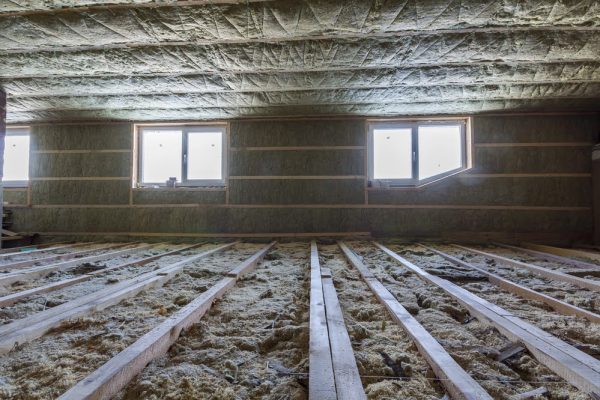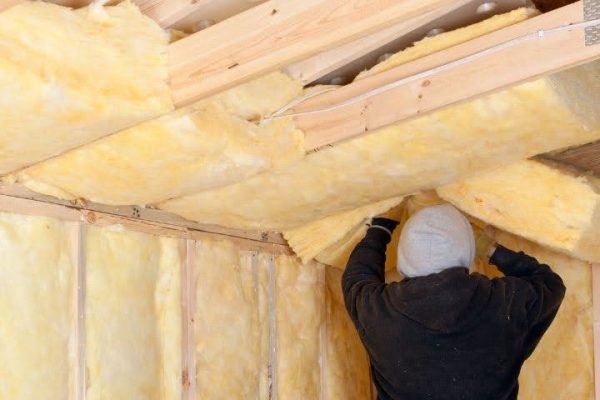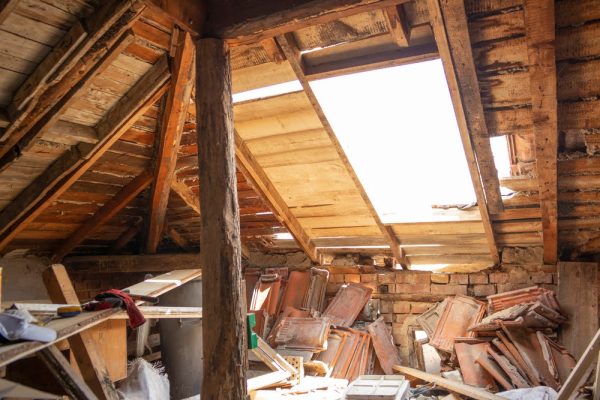
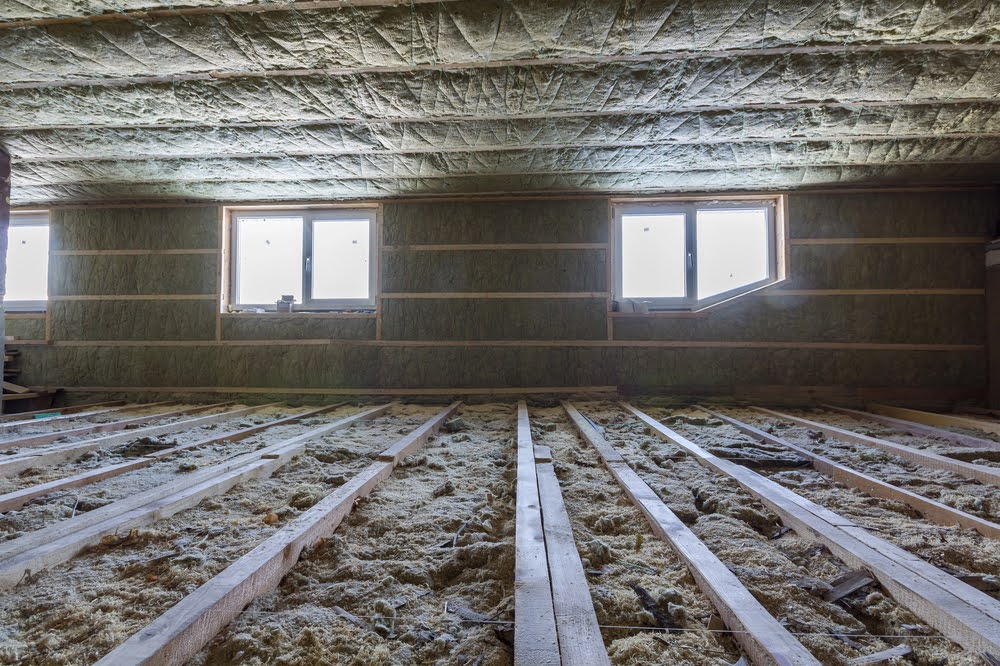
Deciding whether to remove old attic insulation before adding new comes down to one thing: its condition, not its age. If the existing insulation is damaged, damp, moldy, pest-infested, or heavily compacted, removal is usually the safest and most effective choice. These issues can reduce performance, trap moisture, and create health risks.
But if the insulation is clean, dry, and still offering some R-value, it’s often more cost-effective to simply add new material on top, especially after proper air sealing. Exceptions include switching to spray foam or dealing with significant settling or contamination.
A professional inspection is the best way to determine whether your attic needs a full reset or just a top-off for improved efficiency.
When You Should Remove Old Insulation and When Adding More Is Enough
The decision to remove old attic insulation entirely or simply add new insulation on top isn’t governed by a strict rule but instead depends on the current condition of the existing insulation. Age alone does not determine whether removal is necessary; performance, safety, and compatibility are the true deciding factors.
When to Remove Old Attic Insulation
Removal is necessary if the existing insulation shows any of the following issues:
- Contamination by rodent droppings, urine, or nesting materials that can carry health risks.
- Water damage or mold growth compromising the material and indoor air quality.
- Severe compression, brittleness, or crumbling that indicates it has lost its insulating effectiveness (R-value).
- Presence of incompatible insulation types mixed together, which can reduce the overall effectiveness.
- Insulation not suitable for the local climate, such as the Central Valley, where specific R-values and material types work better.
When to Top Off Existing Insulation
Topping off is a practical and cost-effective option when:
- The current insulation is clean, dry, and structurally intact.
- More depth is needed to meet modern recommended R-value standards (typically R-38 or higher).
- There are no signs of pests, moisture issues, or structural damage.
- The existing insulation type is the same as or compatible with the new insulation being added.
Key Points to Consider
- Condition Over Age: Well-maintained insulation that is 15 years old or more can still be effective and worth topping off. Conversely, damaged insulation only 5 years old may require full removal.
- Energy Efficiency and Safety: Proper insulation preserves energy, helps control indoor temperatures, and improves HVAC system performance. Damaged or contaminated insulation risks health and can lead to energy waste.
- Professional Assessment: A thorough attic inspection by a qualified professional can help identify hidden issues such as moisture, pests, or structural concerns.
- Cost Implications: Removal adds to project costs but might be a necessary investment to avoid future problems. Topping off is generally less expensive and less disruptive.

Why the Right Decision Impacts Your Wallet and Comfort
Making the right decision about attic insulation, whether to remove or top off, has a direct impact on your wallet, comfort, and long-term savings.
Removing contaminated or severely damaged insulation prevents health hazards from rodent droppings, mold, and pathogens that would otherwise continue circulating inside your home. Adding new insulation over compressed or compromised material won’t restore its lost R-value, meaning you pay for insulation performance you don’t get.
Conversely, unnecessary removal wastes $1 to $3 per square foot, plus disposal fees, which can run $1,000 to $3,000+ for an average attic before installation even begins.
Properly installed insulation, whether topping off or fully replacing, can reduce HVAC energy costs by 15 to 20% annually.
Topping off clean insulation is often the best value.
- Example: A Minnesota homeowner paid ~$2,450 to boost attic insulation to R50.
- Result: Immediate comfort improvements, real energy savings, and rebates that increased overall ROI.
Full removal and replacement typically starts at $4,000+.
- Worth it only when insulation is damaged, contaminated, or heavily deteriorated.
Statistics show removal typically averages $900 but varies widely with attic size and debris level. Adding new insulation averages another $2,100, bringing a total of $3,000+ if removal is needed. If topping off is feasible, costs roughly halve, offering a quicker, less disruptive energy boost without sacrificing insulation quality.
The right approach based on insulation condition maximizes your investment. Removing only when necessary protects health, restores full insulation value, and saves energy significantly. Topping off clean insulation delivers immediate savings with less cost and disruption. Choosing wisely controls your budget and delivers lasting comfort and efficiency improvements.
Signs You Should Remove Old Attic Insulation
Contamination from Pests or Water
Finding rodent droppings, urine, nesting materials, or mold in attic insulation is a serious health risk. Rodent waste can carry diseases like hantavirus and salmonella, which become airborne as insulation breaks down. Mold is just as dangerous; spores stay active even when insulation appears dry, contributing to allergies and respiratory issues.
With an estimated 20% of U.S. homes affected by indoor mold, the risks are real. Musty smells, visible mold, or staining are clear signs the insulation must be removed and replaced, not topped off, to prevent trapping these contaminants in your home. (EPA, 2025)
Severe Deterioration or Compression
Insulation works by trapping air within its fibers; compressed or deteriorated insulation has dramatically reduced effectiveness. When insulation is compressed to half its original thickness, it delivers roughly 50% less insulating power.
Crumbling fiberglass or cellulose has reached the end of its lifespan and cannot support added insulation above it. This degradation leads to increased energy costs and discomfort. Removal and replacement restore performance and prevent further compression under new layers. (Roof Insulations, 2016)
Wrong Insulation Type or Improper Mix
Multiple insulation types layered haphazardly can trap moisture, reduce airflow, and cause mold. For example, vapor-barrier-backed insulation placed over non-compatible older materials can promote condensation and mold growth.
In climates like Central Valley’s hot, dry environment, older insulation materials designed for humid regions underperform. Clean removal followed by uniform installation of climate-appropriate insulation maximizes energy efficiency and durability. (Koala Insulations, 2025)
What Central Valley Homeowners Get Wrong About Attic Insulation Cleanout
The condition of your insulation determines whether it needs to be removed. While removal averages around $900, it becomes essential anytime insulation is contaminated or damaged, even if it’s relatively new.
Avoiding Cost by Topping Off Contaminated Insulation
- Topping off dirty insulation doesn’t fix the problem and won’t improve performance or safety.
- Rodent waste and mold continue releasing pathogens and allergens even when buried under new material.
- Health risks are significant: Exposure to rodent droppings is linked to diseases like hantavirus.
- Studies show contaminated attics have been associated with a 20 to 40% increase in respiratory issues among residents.
Professional Removal vs. DIY
- DIY removal exposes you to harmful contaminants without proper containment or protective gear.
- Professionals handle extraction safely, preventing airborne hazards and ensuring proper disposal.
- Typical professional removal costs: $600 to $1,200, depending on attic size and contamination level.
Address Root Causes for Lasting Results
Removal is only part of the solution. If rodents caused contamination, sealing entry points is critical to prevent reinfestation. Similarly, water leaks must be repaired before new insulation goes in. Without addressing underlying issues, removal costs will be wasted on future problems.
Protect Your Home With the Right Insulation Decision
Insulation removal is worth the investment when contamination, major deterioration, or incompatible materials put your home’s health and efficiency at risk. But if your insulation is clean, intact, and simply underfilled, topping off is a smart, cost-effective way to meet modern energy standards without overspending. The key is knowing which situation you’re in, and that starts with a professional assessment.
We offer free attic inspections throughout Fresno and the Central Valley, giving homeowners honest guidance rooted in safety, performance, and long-term value. With over 400 five-star reviews, we’re known for telling you exactly what you need, not upselling what you don’t.
Call today to schedule your free inspection and get a clear plan to protect your home, your health, and your budget.