Choosing the right insulation for your home isn’t just about keeping warm in the winter or cool in the summer—it’s about comfort, efficiency, and long-term savings. But with so many options out there, it’s easy to get stuck comparing the two most common types: spray foam and fiberglass.
At Tyson Insulation, we help homeowners choose insulation that fits their home, lifestyle, and budget. If you’re unsure which type is right for you, here’s a side-by-side breakdown of how spray foam and fiberglass compare when it comes to cost, performance, and installation.
The Real Cost of Each Option
Upfront cost is often the first factor homeowners consider, and fiberglass tends to be the more affordable option—at least initially. It comes in batts or rolls and can be installed relatively quickly, keeping labor costs low. Spray foam, on the other hand, is a more premium product that requires professional application, which can raise installation costs.
But it’s important to think beyond the initial price tag. Spray foam delivers a much higher R-value per inch, meaning it insulates more effectively and reduces your energy usage long-term. While fiberglass might save you money up front, spray foam can pay for itself over time in monthly utility savings.
Air Sealing and Energy Efficiency
One of the biggest differences between these two insulation types is how well they seal air leaks. Fiberglass can slow down heat transfer, but it doesn’t prevent air from moving through gaps or cracks in the building envelope. This can lead to drafts, uneven temperatures, and higher energy bills.
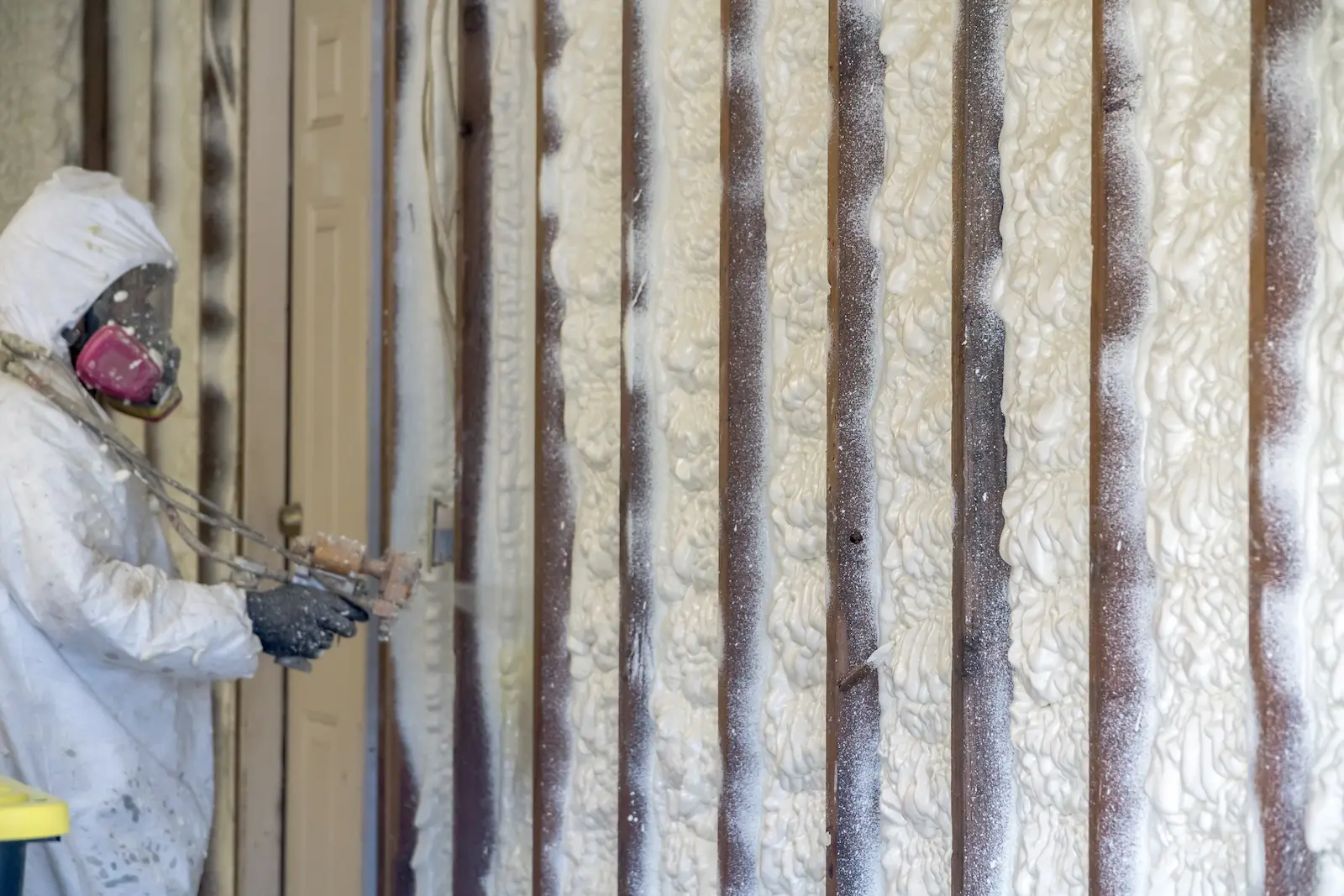
Spray foam insulation excels in this area because it expands to fill gaps, cracks, and hard-to-reach areas, creating an airtight seal. It not only insulates but also acts as an air barrier, making your home more energy efficient and comfortable throughout the year.
Here’s a quick performance comparison:
- Spray foam provides both insulation and air sealing in one application
- Fiberglass needs to be paired with separate air sealing for similar results
- Homes with spray foam typically have fewer drafts and lower energy loss
Installation Considerations
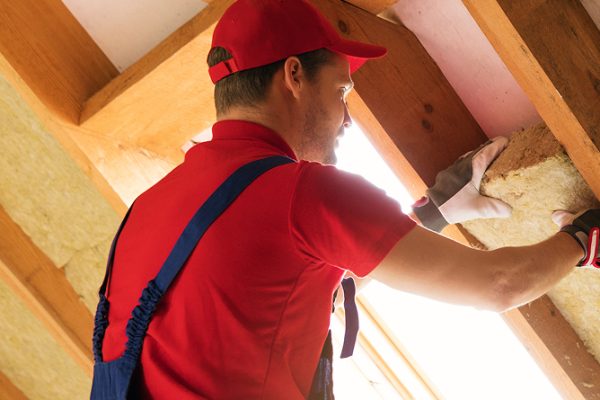
Fiberglass insulation is relatively easy to install and often used in new builds or simple retrofit projects. However, it needs to be precisely cut and fitted to avoid compression or gaps, which can reduce effectiveness. DIY installations are possible but often lead to inconsistent performance.
Spray foam insulation, in contrast, must be applied by trained professionals using specialized equipment. The process is more complex and requires the area to be properly prepped and ventilated. While it takes more effort upfront, the result is a seamless, custom-fit insulation layer that doesn’t shift or settle over time.
For many homeowners, it comes down to this: fiberglass offers simplicity, while spray foam offers higher performance with expert installation.
Long-Term Performance and Durability
When it comes to how your insulation performs over the years, spray foam tends to have the advantage. Because it adheres directly to surfaces and hardens in place, it doesn’t sag, settle, or shift like fiberglass can. Spray foam also resists moisture and mold, making it ideal for humid climates or areas prone to condensation.
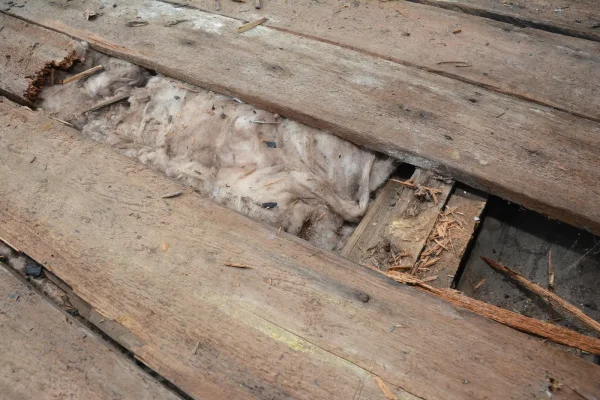
Fiberglass can absorb moisture over time, which reduces its insulating power and can contribute to mold or mildew if not properly managed. It also tends to lose efficiency as it settles or gets compressed inside walls or attics.
In short: spray foam holds up better over time and requires less maintenance to stay effective.
So, Which One Is Best for You?
Both spray foam and fiberglass have their place in modern homes—it really comes down to your specific needs, budget, and goals. If you’re looking for a quick, affordable solution for a large space, fiberglass may be the right fit. But if you want long-term energy savings, superior air sealing, and durability, spray foam insulation is hard to beat.
At Tyson Insulation, we’ll help you evaluate your home and recommend the insulation that’s best for your comfort, efficiency, and long-term savings.
Not sure which insulation is right for your home? Contact us today for a free consultation and let’s find the best solution for your space.