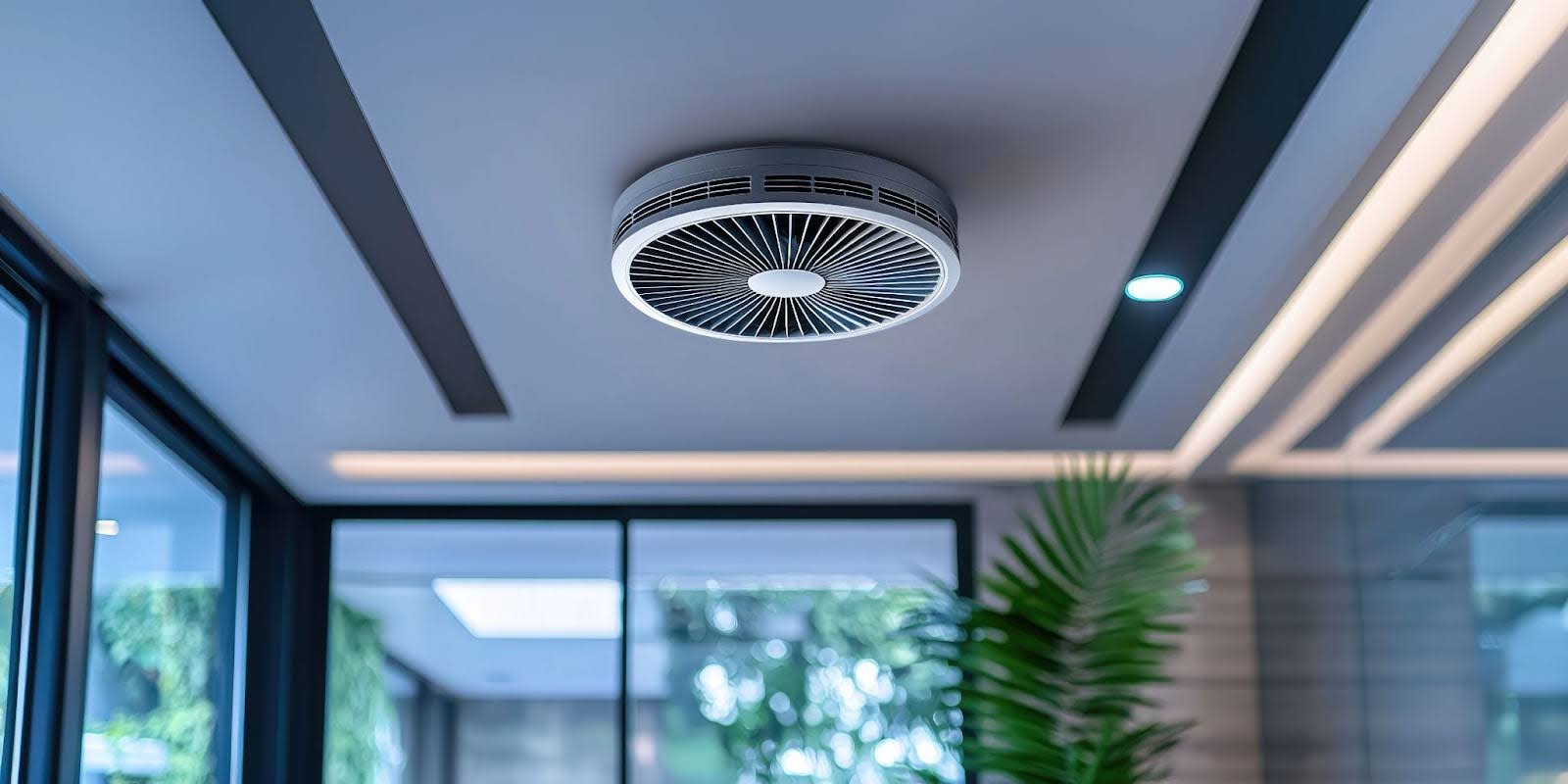
You’ve invested in a QuietCool whole house fan, and now you’re staring at the control switch wondering if you’re doing this right. Should all the windows be open? What speed should you use? When exactly should you turn it on, and more importantly, when should you turn it off?
We install these systems every week, and here’s the truth: most homeowners aren’t getting the full benefit because they’re missing a few key techniques. The good news? Once you understand the rhythm, using your QuietCool fan becomes second nature. Let’s walk through exactly how to maximize your cooling and savings.
What You’ll Need to Get Started
This isn’t complicated. You need your QuietCool fan, windows that open, a way to check outdoor temperature (your phone’s weather app works perfectly), and about 10 minutes to learn the basic rhythm.
The key is working with the outdoor temperature swings we get here in the Central Valley, not against them. Master that, and everything else falls into place.
Step 1: Check the Outdoor Temperature First
This is the golden rule that changes everything: only run your QuietCool fan when outdoor air is at least 10 degrees cooler than your indoor temperature.
If it’s 82 degrees inside and 78 outside, don’t bother. You’re just moving hot air around. But when it’s 82 inside and 68 outside? That’s your green light; you’ll drop indoor temps fast.
Best times in Fresno and the Central Valley:
- Early morning: 6am to 9am (before the heat builds)
- Evening: 7pm to midnight (as temps drop)
- Overnight: Perfect for gentle, continuous cooling
Check your weather app before you flip the switch. It takes five seconds and saves you from wasting energy moving warm air through your house.
Step 2: Open Your Windows Strategically
Here’s where people get confused. You don’t need every window in your house wide open; in fact, that can actually reduce efficiency.
The formula we use: Open 2 to 4 square feet of window area for every 1,000 CFM your fan moves. If you’ve got a 4,500 CFM QuietCool system, aim for about 9 to 12 square feet of open window space total.
In practical terms? That’s usually your master bedroom window plus one or two windows in your main living area. You’re creating strategic airflow paths, not turning your home into a wind tunnel.
Window placement tips:
- Open windows on the coolest side of your house (typically north and east in evenings)
- Create cross-ventilation windows on opposite sides work best
- Crack bedroom windows 3-4 inches for nighttime use instead of throwing them wide open
- Keep windows closed in rooms you don’t need to cool
The air should flow naturally from your open windows, through your living spaces, up into the attic, and out through your attic vents. You’re replacing hot indoor air with cool outdoor air, simple as that.
Step 3: Start on Low Speed, Then Adjust
Don’t just blast your fan on high right away. Start low and work your way up based on what you need.
Turn the fan on low speed for the first 5 minutes. This establishes airflow patterns and lets you feel how air moves through your home. Then adjust:
Low speed: Gentle overnight cooling, maintaining comfortable temps, or when outdoor air is only slightly cooler. Quiet enough to sleep with it running.
Medium speed: Standard evening cool-down, moving air efficiently without excessive noise. This is your workhorse setting for most situations.
High speed: Rapid cool-down mode when you want to drop indoor temps 10-15 degrees in 20 to 30 minutes. Use it strategically, then back off to medium or low once you’re comfortable.
Most homeowners find medium speed hits the sweet spot enough airflow to feel the difference without sounding like a jet engine.

Step 4: Close Windows Once You Hit Your Target Temperature
This is the step that separates people who love their QuietCool fans from people who wonder why they’re not saving money.
Once your home reaches a comfortable temperature, usually 30 to 45 minutes on medium to high speed, close most of your windows and either turn the fan off or drop to low speed.
You’ve just replaced all your hot indoor air with cool outdoor air. Now trap that cool air inside. If you keep exhausting it all night while outdoor temps start climbing at dawn, you’re just pulling warm air back in.
Think of it like filling a bathtub. Once it’s full, you turn off the faucet. Same principle here.
Step 5: Run It Again During Morning Heat Build-Up
Here’s a pro technique most people miss: before outdoor temperatures start climbing in the morning (usually 6 to 8am), run your fan one more time for 10 to 15 minutes.
Your attic accumulates heat overnight even when outdoor temps drop. That morning flush pushes out trapped attic heat before the day heats up. Then close everything down before outdoor temps rise.
This technique alone can keep your home comfortable 2 to 3 hours longer before you need to switch to A/C.
Step 6: Coordinate with Your A/C Thermostat
Never run your QuietCool fan and air conditioning at the same time. You’re literally working against yourself, paying to cool air while simultaneously exhausting it into the attic.
The smart approach:
- Turn your A/C to “off” or set the thermostat 10+ degrees higher than normal when running the fan
- Use the QuietCool fan during cool outdoor temperatures (evenings, mornings, nights)
- Switch to A/C only when outdoor temps climb and the fan stops being effective
- During spring and fall, you can often skip A/C entirely for weeks
Some of our customers program their thermostat to stay off until noon, using only their QuietCool fan for morning and overnight cooling. Their summer electric bills drop 60-70% compared to running A/C around the clock.
Pro Tips That Make a Real Difference
Close your attic access door. If you have a pull-down attic ladder or access panel, keep it closed when running your fan. You want air pulled from your living spaces, not directly from your attic.
Perfect nighttime routine: Crack your bedroom windows 3 to 4 inches and run the fan on low speed all night. You’ll wake up comfortable and refreshed, and your electricity meter barely moves.
Shoulder season strategy: Spring and fall in the Central Valley are perfect for whole-house fan-only cooling. Master the timing, and you can skip A/C for 4 to 6 weeks on each end of summer.
Pre-cooling before storms: When weather’s rolling in and you need to close up your house, use your fan for rapid cool-down first. Drop indoor temps 10 to 15 degrees in 30 minutes, then seal everything up. You’ll stay comfortable for hours without running A/C.
Master the Rhythm, Enjoy the Savings
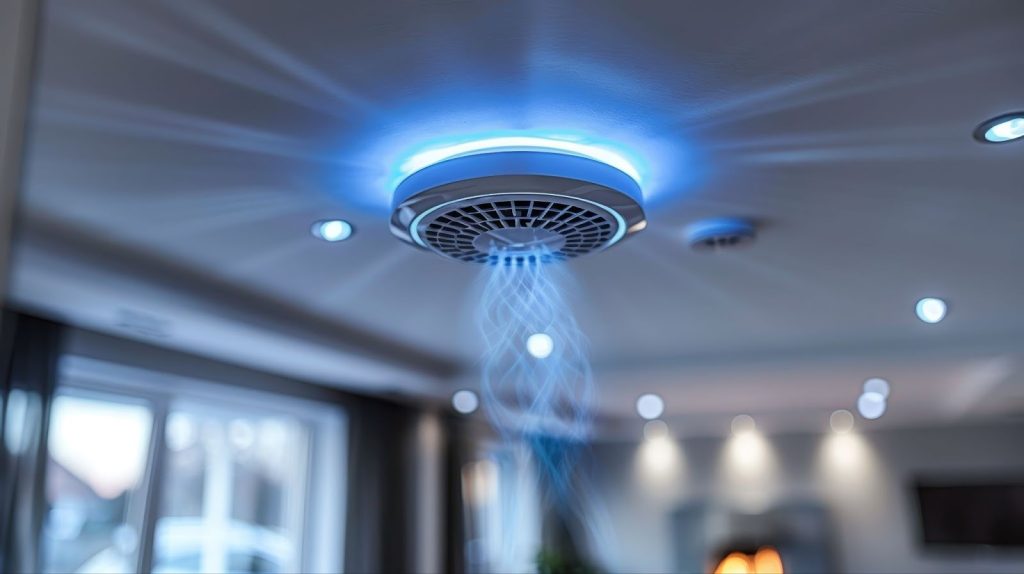
Using a QuietCool fan is simple: work with the natural temperature cycle. When the outdoor air is cool, usually evenings and early mornings, open a few windows and run the fan. When the outdoor air heats up, close everything and keep that cool air sealed inside. Follow this rhythm, and it’s easy to see why many homeowners cut their cooling costs by 50 to 90 percent in spring and fall.
If your fan isn’t delivering the cooling you expected, the issue is often airflow or ventilation, not how you’re using it. A quick attic check can make all the difference.
Want peak performance from your QuietCool system? Call us for a free attic ventilation inspection and make sure you’re getting every bit of cooling power you paid for.